


Queen of Kalahari dazzles at diamond gala
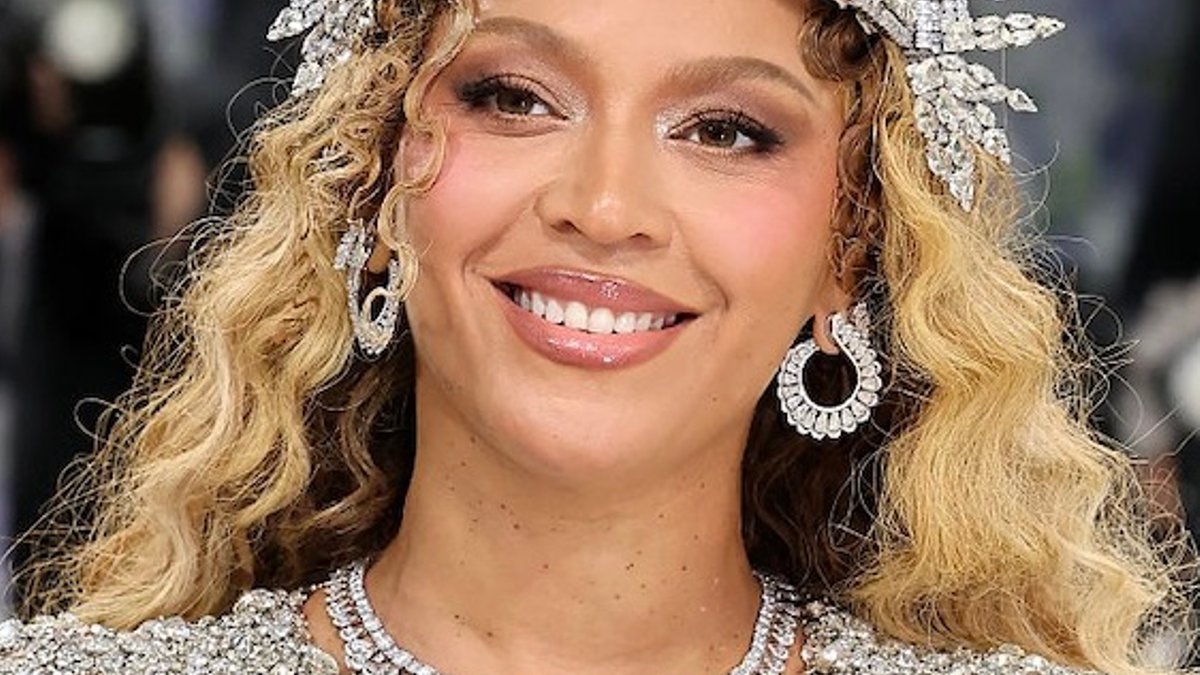
A single diamond has transformed red-carpet fashion. The Queen of Kalahari, a 342-carat gem discovered in Botswana’s Karowe Mine in 2015, became more than a luxury item—it ignited a global jewelry trend. After being recut into 23 stones, it inspired Chopard’s Garden of Kalahari collection, now favored by celebrities like Beyoncé.
The Diamond That Defied Expectations
The Queen of Kalahari was not the largest diamond ever found. That same year, the Lesedi La Rona—a 1,109-carat gem, emerged from the same mine. Yet the Queen distinguished itself with its D color, flawless clarity, and Type IIa classification, placing it among the rarest diamonds globally. Only 1-2% of natural diamonds share this level of purity, free from nitrogen or boron.
Caroline Scheufele, Chopard’s artistic director, described her reaction upon seeing it as “love at first sight.” She emphasized the gem’s “The energy and emotional charge emanating from this gem are truly incomparable.” The diamond originated in Botswana, a country celebrated as the “Gem of Africa”, where 40% of the land is protected under conservation efforts. Its true significance, however, lay in its potential beyond extraction.
Scheufele did not merely display the diamond. She sought to redefine its purpose. Collaborating with Chopard’s master artisans, she transformed the original 342-carat stone into 23 smaller diamonds, five of which exceeded 20 carats each. The outcome was a collection that merged raw material with artistic innovation.
A Responsible Shine in the Desert
The Queen of Kalahari’s impact extended beyond rarity. Chopard teamed up with Eco-Age, a sustainability nonprofit led by Livia Firth, to ensure ethical mining practices. The Karowe Mine earned the Green Carpet Challenge Brandmark, a certification recognizing environmental and social excellence in mining operations.
Related Post: Grace Kellys iconic diamond ring
Firth personally visited the site, initially skeptical of industry claims. She stated, “The award was the result of a stringent validation system, but I wanted to go see for myself and understand exactly the handprint of the diamond mining industry and how it can be a positive force for good.” The certification process involved rigorous audits of water usage, community engagement, and carbon emissions. Chopard produced a 55-minute documentary, titled The Queen of Kalahari, directed by Alexis Veller, to showcase transparency in luxury production.
This initiative went beyond promotional efforts. The mine’s use of Fairmined gold in the collection’s settings reinforced ethical sourcing. Even the jewelry’s designs mirrored Botswana’s natural beauty: flowers, sunflowers, and water lilies were carved from the recut stones. A 50-carat brilliant-cut diamond became a sunflower, while a 26-carat heart-shaped stone was shaped into a pansy.
The collection’s centerpiece, the Garden of Kalahari necklace, offered four distinct styles: a choker, a diamond flower, or three pendant variations, the 50-carat sunflower, 26-carat pansy, and 25-carat teardrop. Each piece required meticulous craftsmanship, with Scheufele overseeing every cut and setting over thousands of hours of work.
The collection’s true test came on the red carpet.
From Mine to Global Spotlight
Beyoncé wore the Garden of Kalahari necklace at the 2026 Met Gala, where its 6.41-carat brilliant-cut diamond and 140 carats of additional diamonds captured immediate attention. The piece, set in 18-karat Fairmined gold, became a defining statement.
Related Post: Diamond Chain is Summers Hottest Jewelry Trend
Georgina Rodríguez accessorized with the collection’s 25-carat pear-shaped diamond earrings and a 20-carat cushion-cut ring—both derived from the Queen’s recut stones, at the same event. The earrings featured a D-flawless 6.41-carat brilliant-cut diamond on one side and the 25-carat pear-shaped stone on the other, surrounded by 8.9 carats of smaller diamonds.
The collection’s adaptability was its strength. Unlike rigid statement jewelry, the Garden of Kalahari pieces allowed for customization. The necklace’s diamond flower could be paired with pendants, creating ever-evolving looks. Scheufele’s vision was clear: “This is a truly exceptional stone, but we did not wish to treat it as a mere trophy. Instead, to prepare it for a destiny worthy of its stature.”
The diamond’s journey, from a 342-carat rough in Botswana’s desert to the necks and ears of global icons, demonstrates how vision can raise even the rarest treasures. Its transformation from mine to Met Gala proves that innovation, not just size, defines a diamond’s legacy.
The Queen of Kalahari was not merely cut from stone. It was reimagined, and in doing so, it set a new standard for what diamonds could represent.
